
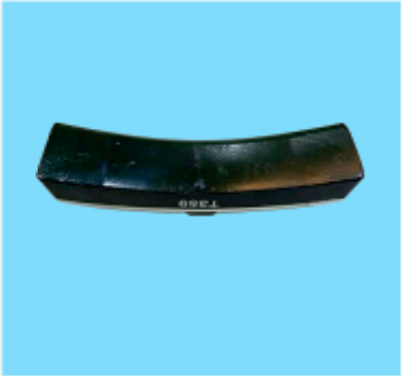
Low-friction synthetic brake block–UIC Standard2
UIC Standard 2 (Notation #2) low-friction composite brake block is certified under UIC Leaflet 541-4 (6th edition) and technical resolution B126 RP N11, an extended certified subcategory of low-friction brake blocks. It is compatible with both 2×Bg single-side single brake block and 2×Bgu double-side dual brake block braking configurations, with a maximum allowable axle load increased to 25 tons, suitable for cross-border heavy-haul freight wagons with maximum operating speed ≤120km/h. It can directly replace traditional P10 cast iron brake blocks 1:1 without modifying original brake rigging or brake cylinders. The product is integrally hot-pressed with asbestos-free organic friction compound and thickened stamped steel back, featuring stable friction coefficient of 0.13~0.17 with performance fluctuation ≤±15% under dry, wet, low & high temperature and long downhill continuous braking conditions. It has passed full UIC dynamometer and heavy-load line certification. Compared with Notation #1 grade, it delivers stronger heavy-load resistance and wider vehicle compatibility, with advantages including minimal wheel tread abrasion, obvious braking noise reduction, zero interference with track signal circuits and eco-friendly non-toxic fume emission, serving as the universal upgraded LL block for European heavy-duty and double-side brake freight wagon retrofitting.
Specifications & Features
Product Description
1. Applicable Standard & Certification Scope
This product is the heavy-duty extended certified grade Notation #2 of UIC low-friction brake blocks, manufactured in accordance with UIC Leaflet 541-4 (6th edition, 2020), technical resolution B126 RP N11 and Usage Guidelines for LL Composite Brake Blocks (10th Edition), serving as the upgraded heavy-load compatible version of Notation #1 basic grade. Core restricted application limits of Notation #2 certification:
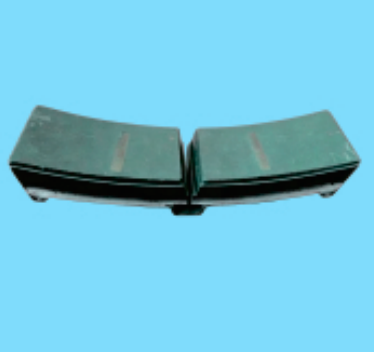
· Brake mounting structure: Compatible with both 2×Bg single-side single block and 2×Bgu double-side dual block brake systems, covering light, medium and heavy-duty freight bogies;
· Maximum allowable axle load: 25 tons (higher than 22.5t limit of Notation #1 for superior heavy-load adaptability);
· Maximum vehicle operating speed: ≤120km/h;
· Matching wheel diameters: Standard steel tread wheels 730mm / 760mm / 840mm;
· Applicable lines: UIC railway network with maximum gradient ≤40‰, compliant with EU TSI railway interoperability specifications, eligible for full official UIC certification label and authorized for cross-border operation across Europe.
2. Structural & Material Composition
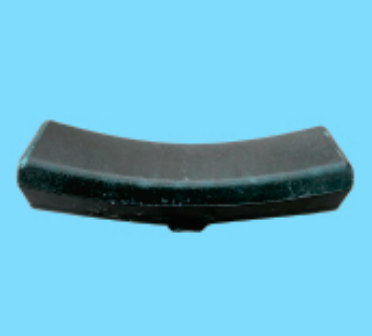
1. Friction Body (Braking Contact Surface) Heavy-duty asbestos-free modified phenolic resin organic composite matrix, reinforced with high-content aramid & mineral fibers, mixed with high-purity graphite solid lubricant and antimony sulfide friction modifiers. Free of asbestos, lead, cadmium and other hazardous substances, no toxic flue gas or carbonization peeling under long-term high-temperature braking. Dynamic friction coefficient stably ranges 0.13~0.17, perfectly matching the braking force curve of cast iron blocks. Curved contact surface precisely fits wheel tread radian to achieve full uniform contact under double-side braking conditions, drastically reducing wheel tread spalling and local scuffing risks under heavy load. High-density internal micropores absorb heavy braking impact and eliminate high-frequency squeal noise during low-speed station approaching and rainy operation. All edges are passivated and thickened to prevent chipping and cracking during heavy transport and long-term service.
2. Steel Back Base Stamped from 5~6mm thickened Q235 cold-rolled low-carbon steel plate, thicker than Notation #1 grade for enhanced anti-bending bearing capacity. Deepened multiple trapezoidal anchor grooves are pressed on the inner side; friction compound deeply embeds into grooves during hot molding to reach higher bonding strength than Notation #1, preventing delamination and chipping under long-term heavy-load cold & hot cyclic braking. Universal dual-spec integrated buckle at the bottom fits both 2×Bg and 2×Bgu brake shoe holders for unified maintenance replacement. The steel back acts as a wear warning component: continuous abnormal metal friction noise occurs when friction layer wears down to safety limit to remind mandatory replacement.
3. Mandatory UIC Performance Requirements (Enhanced for Heavy Load)
1. Friction Stability: Friction coefficient fluctuation ≤±15% under normal temperature, rain immersion, long downhill heavy-load continuous braking and -40℃ extreme cold environment, without obvious thermal or cold fading under heavy duty; additionally passed UIC 60-minute drag heavy-load braking special test;
2. Thermal Resistance: Max continuous operating temperature 330℃ (higher than 320℃ of Notation #1), short peak temperature 430℃ under wheel lock emergency braking, no bubbling, carbonization or layered cracking failure;
3. Wheel Protection: Wheel tread wear reduced by over 50% compared with P10 cast iron blocks; wheel-rail equivalent conicity strictly controlled under heavy load. First wheel profile inspection at 100,000 km for new or reprofiled wheels, subsequent inspection every 50,000 km to avoid heavy vehicle running instability;
4. Track Circuit Compatibility: Low-conductivity non-metallic formula generates no metal debris to interfere with railway signal transmission, passing full UIC compatibility inspection;
5. Noise Reduction: Braking noise decreased by 10~18dB(A) vs cast iron blocks, complying with European heavy-duty freight wagon noise control regulations;
6. Eco-Friendly Safety: Zero asbestos, low heavy metal formula, biodegradable braking dust with no underground tunnel or long downhill heavy haul pollution.
4. Application Scope, Maintenance & Storage Rules
1. Applicable Rolling Stock: European standard open wagons, covered wagons, container heavy-haul freight wagons and cross-border heavy vehicles, covering all 2×Bg single-side and 2×Bgu double-side brake configurations;
2. Replacement Standard: Full mandatory replacement when residual friction thickness reaches 12mm; grinding, splicing and secondary reuse prohibited;
3. Running-in Rule: Stable low-speed operation within the first 500km after installation, avoid frequent emergency braking to realize uniform fitting of friction surface; full-load long downhill braking forbidden during running-in period for heavy-duty wagons;
4. Storage Condition: Store in dry & ventilated warehouse, avoid sunlight exposure and rain soaking, stacking height ≤10 layers, shelf life 18 months;
5. Inspection Cycle: First wheel equivalent conicity inspection at 100,000 km for newly reprofiled wheels, routine inspection every 50,000 km during normal operation, simultaneously check friction layer cracking, chipping and partial uneven wear defects.
5. Core Differences Between UIC #2 Grade & UIC #1 Grade LL Brake Blocks
1. Applicable Brake Structure: #1 only for 2×Bg single-side brake; #2 compatible with both 2×Bg single-side and 2×Bgu double-side brake structures;
2. Max Axle Load Capacity: #1 maximum 22.5t; #2 maximum 25t for heavy-duty freight vehicles;
3. Structural Strength: #2 steel back thickened to 5~6mm with heavy-duty friction formula, superior high temperature resistance and impact resistance;
4. Certification Test Scope: #1 only completes basic dynamometer tests for 2×Bg configuration; #2 adds special drag and long downhill durability tests for 2×Bgu double-side heavy load;
5. Application Positioning: #1 is basic retrofit model for light existing freight wagons; #2 is universal upgraded model for medium-heavy haul and double-side brake wagons, suitable for more cross-border heavy-duty railway lines.
Customer Reviews
No customer reviews yet.
Send an Inquiry
Interested in Low-friction synthetic brake block–UIC Standard2? Leave your contact details and message — our export team replies within 24 hours.